
The Hidden Cost of Outdated Machine Guarding
3 minute read
Published 22 January 2025
The start of a new year is a timely point for manufacturing and processing teams to assess what is working, what has drifted, and what needs attention before production ramps up. Machine guarding is one of the areas most likely to fall behind as equipment, layouts, and workflows change, often without a formal review.
This applies across a wide range of environments. Manufacturing plants, timber mills, packhouses, and processing facilities all rely on guarding to separate people from moving machinery, pinch points, and high risk operations. When guarding no longer reflects how work is actually carried out, risk increases even if no single issue appears urgent or obvious.
In many sites, machine guarding was installed for earlier processes. As equipment is moved, access requirements change, and throughput increases, guarding is changed bit by bit to keep work moving. Over time, these small adjustments add up, and the guarding system no longer matches the way the site operates day to day.
Signs Your Machine Guarding No Longer Matches the Process
Outdated machine guarding tends to present in consistent ways across industrial sites. Guarding is often added over time without a clear structure, resulting in inconsistent layouts and unclear separation between people and machinery. Walkways and exclusion zones may no longer be obvious, particularly where equipment has been repositioned or production flow has changed.
Panels are frequently removed or altered to allow cleaning and maintenance access, then never reinstated properly.
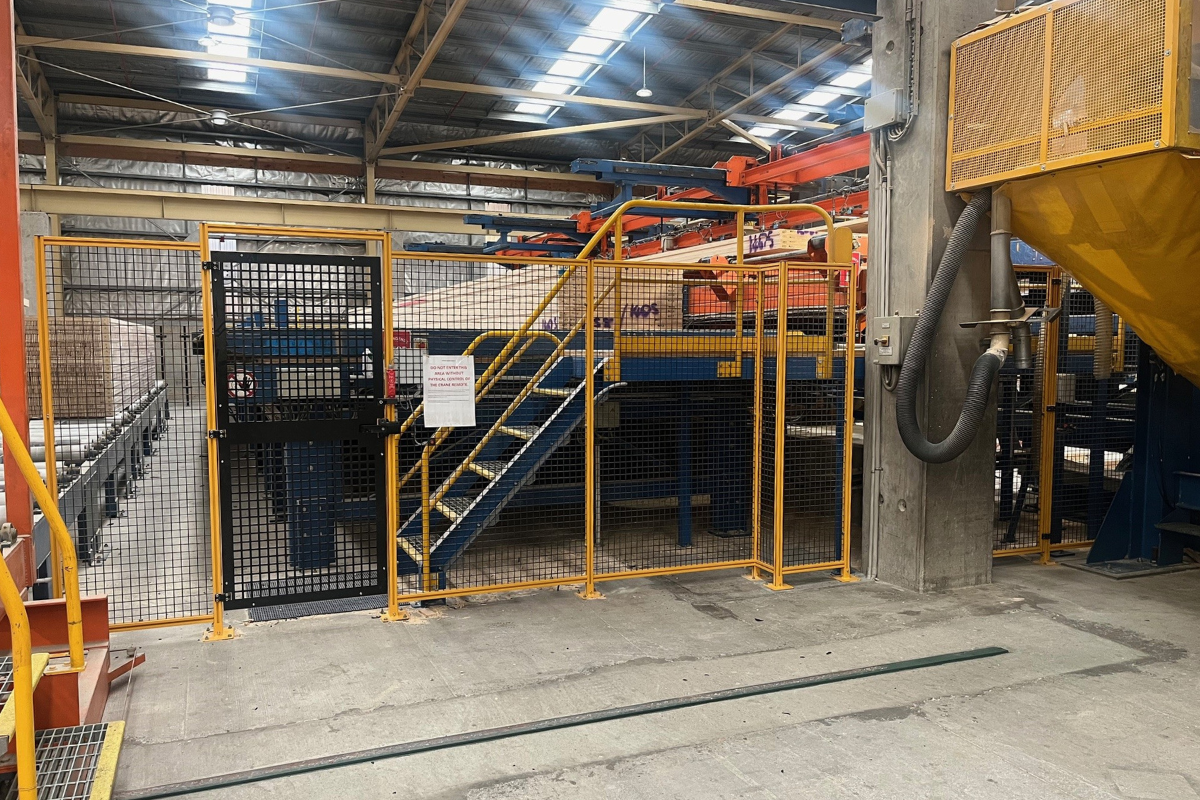
As processes evolve, making further changes to guarding becomes increasingly difficult, leading to a greater reliance on signage or informal procedures rather than physical separation.
These conditions usually develop gradually. They are rarely the result of a single decision, but rather the accumulation of small changes made under production pressure.
Why Fixed Guarding Falls Behind
Many guarding systems are designed on the assumption that equipment layouts will remain largely unchanged. In most industrial environments, that assumption does not hold. Production lines are extended, machines are replaced, access needs increase, and safety expectations rise over time.
When guarding is fixed in place, even minor changes can require sections to be cut, removed, or worked around. As these workarounds accumulate, guarding can lose consistency and clarity. The effort required to make further changes safely increases, which encourages temporary solutions to remain in place longer than intended.
SlotPro’s modular guarding system is designed to address this challenge by allowing guarding to change in step with the site. Panels, posts, and access components can be relocated, extended, or reconfigured as layouts evolve, helping maintain clear separation and consistent protection without requiring full replacement when processes change.
Visibility, Access, and Maintenance Matter
Effective machine guarding is not only about restricting access. It must also support how people interact with machinery as part of normal operations. Operators need clear visibility into machines and production areas, while maintenance teams require safe, planned access for cleaning, servicing, and changeovers.
When guarding restricts visibility or makes access difficult, workarounds tend to emerge. Panels are removed, gates are bypassed, or openings are left unsecured to save time. Over time, these changes reduce the effectiveness of the guarding system and increase exposure to risk. Guarding that considers visibility and access from the outset is more likely to remain in place and be used as intended throughout the life of the equipment.
Establishing a Guarding Baseline for the Year Ahead
Outdated machine guarding rarely stops production immediately. Instead, it introduces friction through audits, maintenance delays, and increased exposure to safety incidents. These issues often surface at the least convenient time, when changes are rushed and options are limited.
Using the start of the year to establish a clear guarding baseline gives teams a better foundation for the months ahead. It allows equipment upgrades, layout changes, and production increases to be planned with fewer constraints and fewer compromises.
For many sites, the value of a guarding review is not in making immediate changes, but in understanding what future changes will require. That clarity reduces rework, avoids rushed decisions, and helps keep safety aligned with day to day operations as the year progresses.