
T-Slot Aluminium vs Welded Steel: 8 Key Differences
3 minute read
Published 22 October 2026
Choosing between T-slot aluminium and welded steel is an important decision when designing machine frames, safety guarding, workstations and access platforms. Both materials have their place in manufacturing, but the costs and practical considerations extend well beyond the initial material price.
For New Zealand manufacturers, the choice can affect fabrication time, installation requirements, maintenance and how easily equipment can be modified as production needs change.
This guide compares T-slot aluminium vs welded steel, across eight practical considerations to help manufacturers select a suitable construction method for their application.
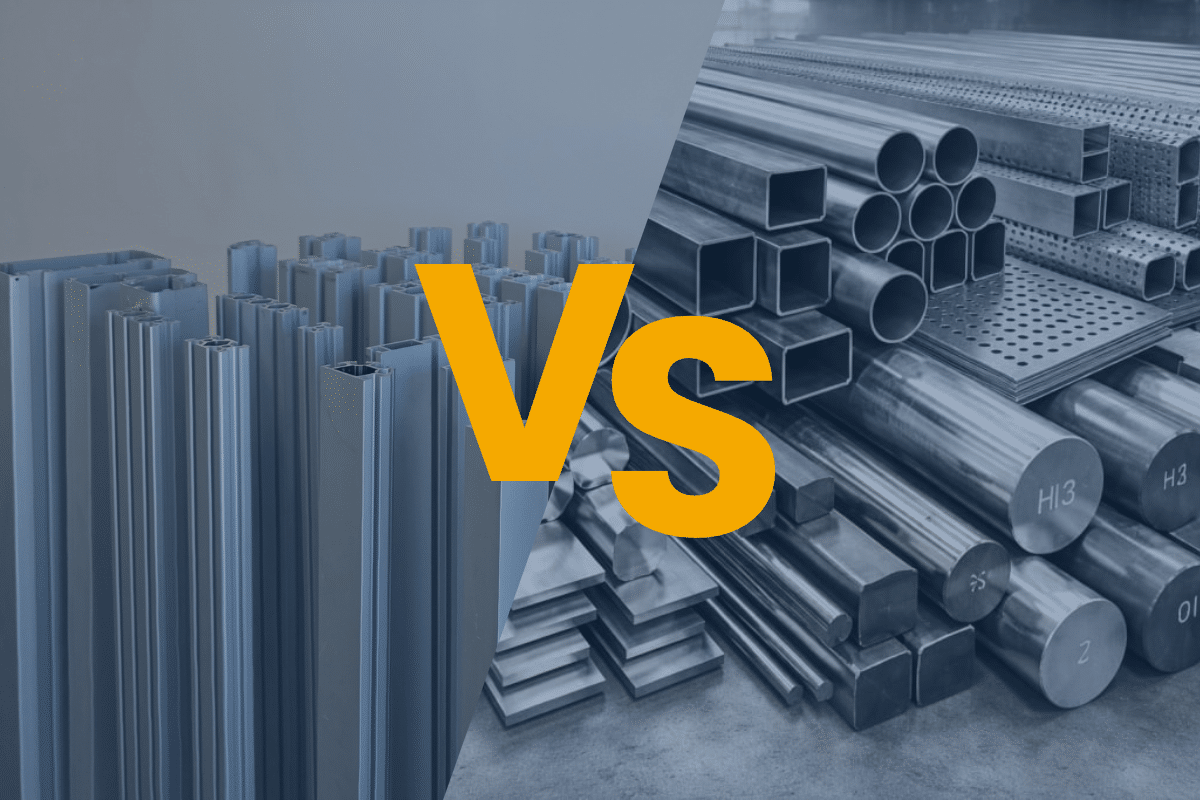
T-Slot Aluminium vs Welded Steel: Key Differences
Welded steel has long been used for industrial frames and structures. It offers high strength, can be fabricated into custom shapes and is well suited to permanent installations.
T-slot aluminium provides a different approach. Aluminium extrusions are connected using fasteners, allowing frames and structures to be assembled without welding. Components can be adjusted, extended or reused as requirements change.
Neither approach is suitable for every application. The better choice depends on the loads involved, operating environment, installation requirements and expected life of the equipment.
8 Factors to Consider When Choosing a Framing System
1. Material Cost
Steel generally costs less than aluminium on a comparable material weight basis, although actual prices vary by grade, section and supplier.
However, material price is only one part of the finished project cost. Welded steel frames may require cutting, welding, grinding, painting and additional labour before installation.
T-slot aluminium extrusions are typically supplied with a finished surface and assembled using connectors and fasteners. This can reduce the amount of fabrication required.
When comparing quotations, consider the total installed cost rather than material cost alone.
2. Fabrication and Assembly Time
Welded steel frames require fabrication processes that may include cutting, positioning, welding and finishing. Depending on the application, specialist fabrication equipment and qualified personnel may be needed.
T-slot aluminium systems use mechanical connections and can be assembled using a standard set of hex-keys. Pre-cut and machined extrusions can further simplify the process.
For machine frames, workstations and guarding, this can make T-slot aluminium a practical option where assembly time is an important consideration.
3. Lead Times
Lead times depend on material availability, project complexity and the amount of fabrication required.
Custom welded structures may need workshop fabrication and surface treatment before delivery. Modular aluminium frames can often be assembled from standard extrusion sections and compatible components.
Manufacturers should compare confirmed supplier lead times for the complete project, including machining, finishing, delivery and installation.
4. On-Site Installation and Hot Work
Installing welded steel structures often involves on-site welding, grinding or other hot work. These activities require permits, fire precautions and additional planning, particularly within an operating factory.
T-slot aluminium frames are assembled using connectors and fasteners, removing the need for welding during normal assembly.
This can be particularly useful when installing machine guarding, production workstations or access structures near existing equipment.
Site access, lifting requirements and the need to maintain production should still be considered for either construction method.
5. Finishing and Corrosion Resistance
Steel structures often require painting, powder coating or galvanising, depending on the environment and corrosion protection requirements.
SlotPro T-slot aluminium extrusions feature an anodised finish, reducing the need for additional surface treatment in many indoor industrial applications.
Aluminium also offers good general corrosion resistance, although suitability depends on exposure to chemicals, moisture and other environmental conditions.
6. Weight and Handling
Aluminium is considerably lighter than steel for the same volume of material. However, a finished structure may require different section sizes to achieve the necessary strength and stiffness.
Lower weight can make individual components easier to transport, position and assemble.
Steel may be preferred where higher stiffness, concentrated loads or heavy-duty structural requirements make it the more practical choice.
7. Future Modifications
One of the main differences between welded steel and T-slot aluminium is how each system accommodates future changes.
Modifying a welded frame involves cutting, grinding, additional welding and refinishing.
With T-slot aluminium, components can be repositioned, replaced or extended using compatible connectors. Existing extrusion sections may also be reused in another configuration.
For manufacturers regularly changing production layouts, equipment or workstations, this flexibility can reduce the work required for future modifications.
8. Maintenance and Repairs
Both systems require appropriate inspection and maintenance.
Welded steel structures may need periodic checks for corrosion, damaged coatings, fatigue or cracking, depending on the application.
T-slot aluminium structures require inspection of mechanical connections, fasteners and individual components. Damaged sections can be replaced without rebuilding the entire frame.
The maintenance requirements should be considered alongside the operating environment, vibration, loading and expected service life.
When Is Welded Steel the Better Choice?
Welded steel remains a practical and sometimes more economical option for industrial applications.
Heavy machinery supports, high-load structures, permanent frames and installations requiring high stiffness may be better suited to welded steel.
Steel can also be preferable where fabrication facilities are already available, the design is unlikely to change and the cost of materials is the main consideration.
For structures exposed to severe impact, elevated temperatures or demanding mechanical conditions, the required performance should be assessed before selecting a material.
The decision should always be based on the specific engineering requirements rather than assuming one construction method is better for every application.
Where SlotPro T-slot Aluminium Fits
SlotPro supplies modular aluminium framing systems for a range of industrial applications, including machine frames, workstations, equipment enclosures and production structures.
The range includes 2 Series, 3 Series, 4 Series and Light Series extrusions, with compatible connectors and accessories for different construction requirements.
For machine safety applications, the 1Guard modular guarding system provides a configurable approach to separating personnel from machinery. Guarding sections can be designed around existing equipment and modified when production layouts change, subject to the required safety assessment.
The SlotPro Stair and Platform System provides a modular option for equipment access and elevated work areas. Its bolt-together construction removes the need for welding during normal assembly and allows the layout to be designed around the installation.
SlotPro also offers design assistance, a CAD library and a free sample pack to help manufacturers evaluate components before committing to a project.
Quick Decision Checklist
Before choosing between T-slot aluminium and welded steel, consider the following questions:
- What loads, stiffness and structural performance are required?
- Is the structure permanent, or will future changes be likely?
- Will fabrication or installation take place in an operating factory?
- Are hot work restrictions or production interruptions a concern?
- What finishing and corrosion protection will be required?
- How easily will damaged components need to be repaired or replaced?
- What is the total cost, including materials, labour, installation and future modifications?
Choosing the Right Construction Method
The choice between T-slot aluminium vs welded steel comes down to the requirements of the finished structure.
Welded steel remains a suitable option for permanent, heavy-duty applications where strength, stiffness and material cost are the main priorities.
T-slot aluminium is worth considering for machine frames, workstations, guarding and access systems where assembly, future modifications and component reuse are important.
For manufacturers considering modular aluminium framing, SlotPro can assist with component selection, design and planning for the intended application.